
Source matters
Ambient light mirrors your screen; RGB effects follow their own patterns. The input source changes everything.
/en/guides
Understand the difference between screen-driven ambient light and effect-first RGB software so comparison pages make more sense.
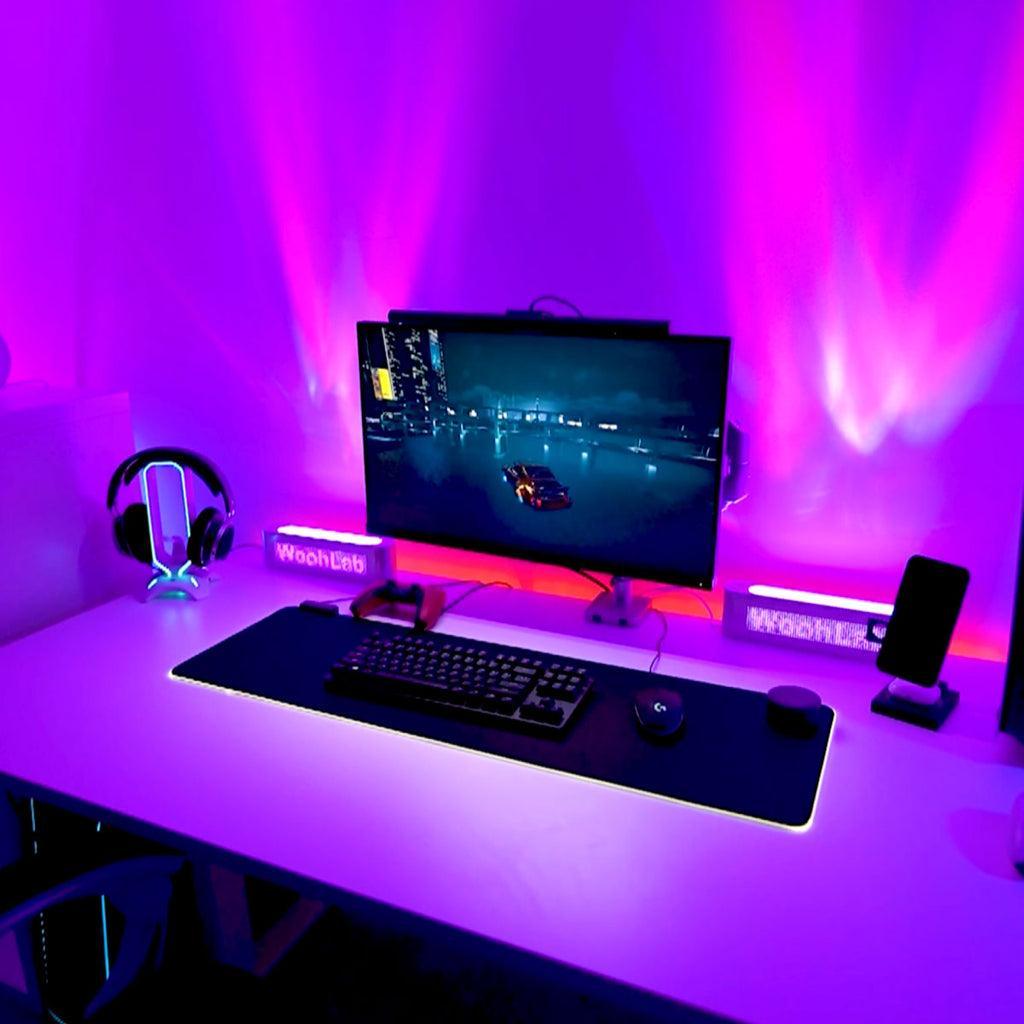
Ambient light mirrors your screen; RGB effects follow their own patterns. The input source changes everything.
If long-session comfort matters more than visual spectacle, ambient light tends to win over raw RGB output.
Fidelity-focused users pick ambient tools; effect chasers pick RGB ecosystems. Both are valid but serve different goals.
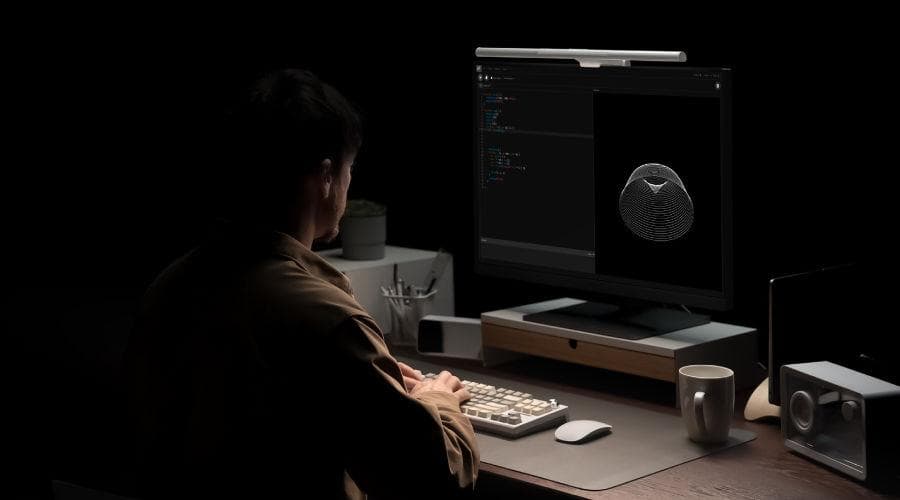
Ambient light is centered on extending screen content and improving comfort, while RGB lighting platforms often prioritize style systems, presets, and effects.
The key distinction is input source: true ambient light follows what is on-screen, while many RGB setups animate independently from the display.
RGB platforms can still be useful, especially when users value synchronized peripherals, game-linked effects, and broader device coverage.
A useful comparison should not treat all lighting software as interchangeable. The site structure should make these different product intents visible early.
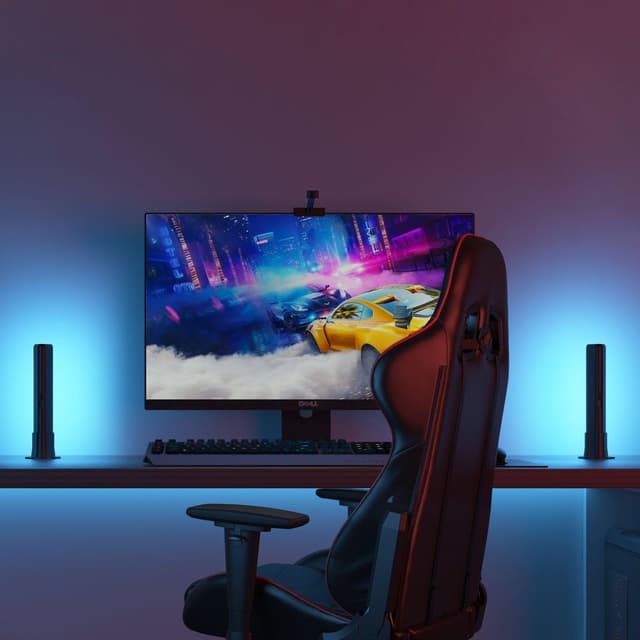
Plan the right screen position, backlight intensity, and desk placement for better immersion and comfort.
Read guide →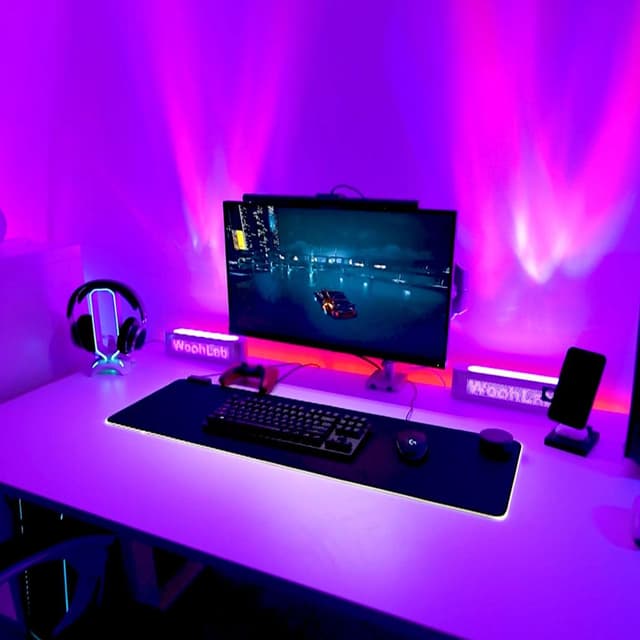
Understand where real-time bias lighting differs from effect-first RGB ecosystems.
Read guide →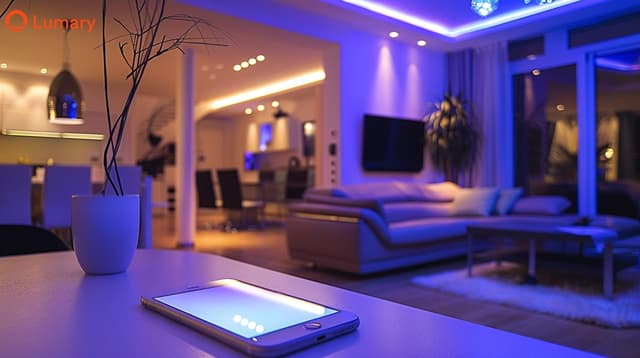
Learn how properly calibrated bias lighting reduces contrast fatigue and supports longer, more comfortable monitor sessions.
Read guide →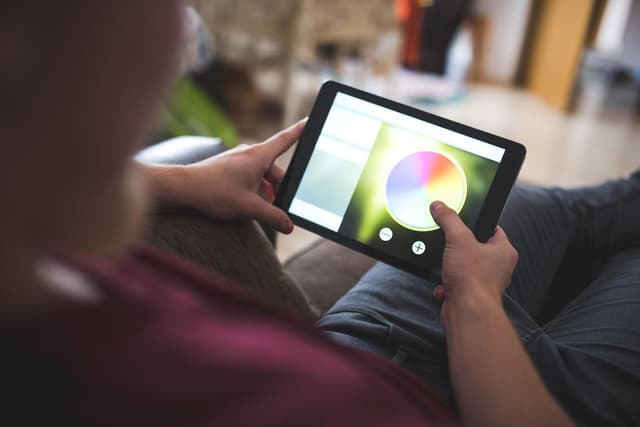
Practical guidance on wall color, monitor distance, LED strip placement, and room layout for the best ambient light experience.
Read guide →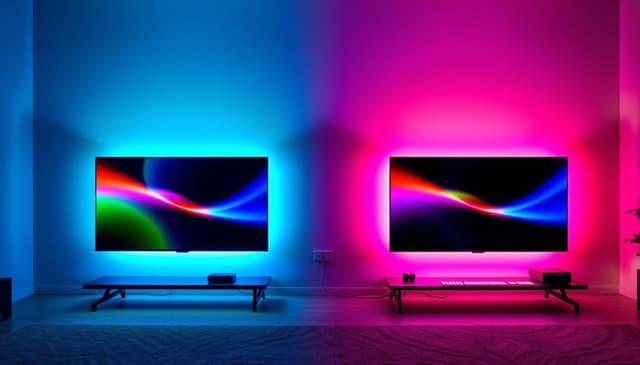
Common misconceptions about monitor lighting, bias lighting, and ambient light that lead to bad setups and wasted money.
Read guide →