
Real-Time Screen Sync
Map screen color changes into a room-scale glow that feels connected instead of decorative.
Compare screen-synced monitor backlight options side by side: what each software path is built for, how much setup it takes, and which one fits gaming, movies or long work sessions.
Ambient Light is screen-synced bias lighting for monitors, not a preset-driven RGB light show.
Already comparing hardware? See the Skydimo Monitor Ambient Light Strip Pro product page (sponsored link)
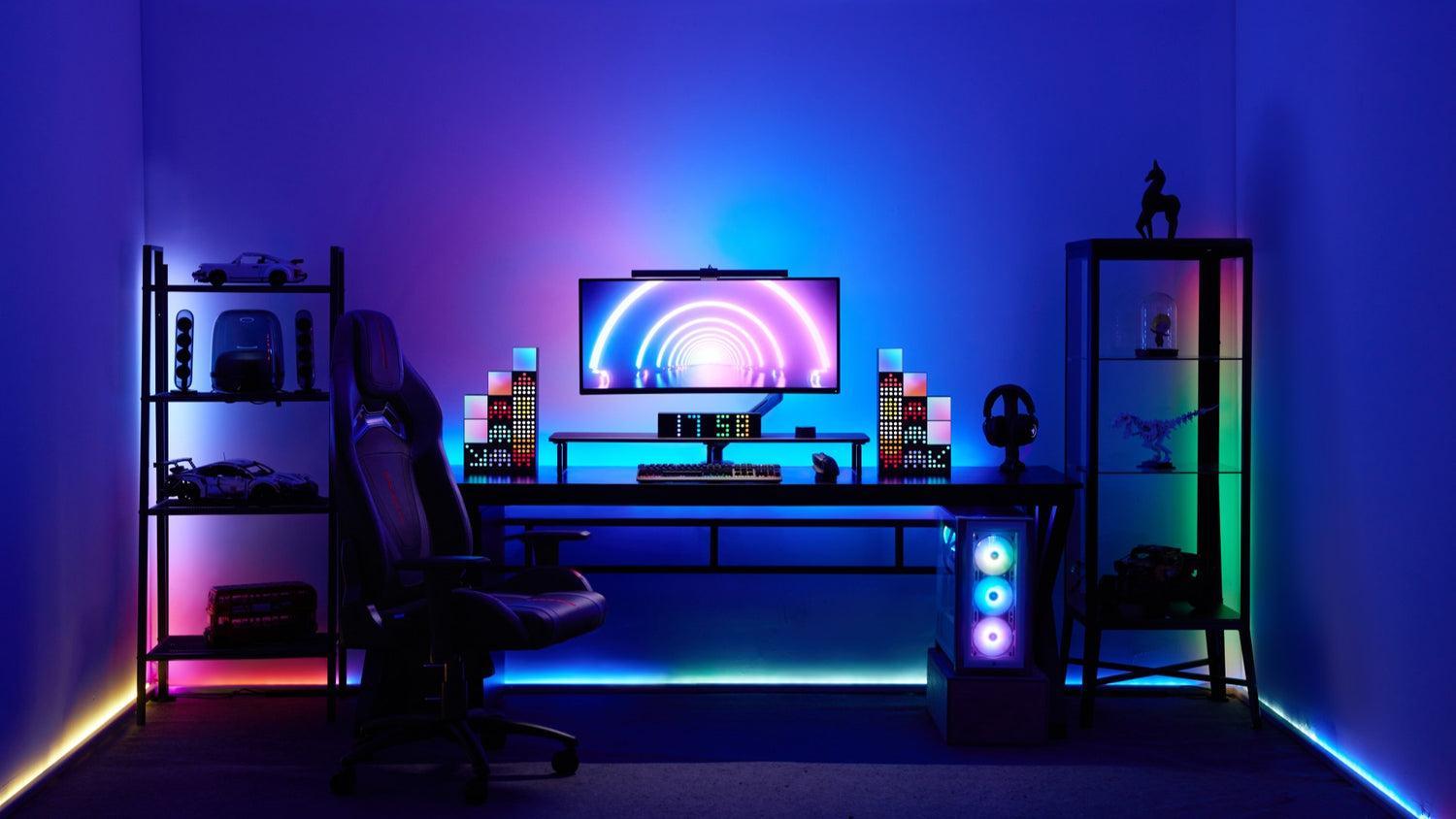
The first narrative layer should distinguish ambient light from generic RGB lighting and frame it around immersion, comfort, and room-scale extension.
Map screen color changes into a room-scale glow that feels connected instead of decorative.
Bias lighting softens harsh contrast in dark environments and supports longer sessions with less fatigue.
From gaming battlestations to work desks, ambient light adapts to single-screen and wider desk layouts.
Each scenario card should connect a real use case with a direct user benefit instead of abstract effect language.
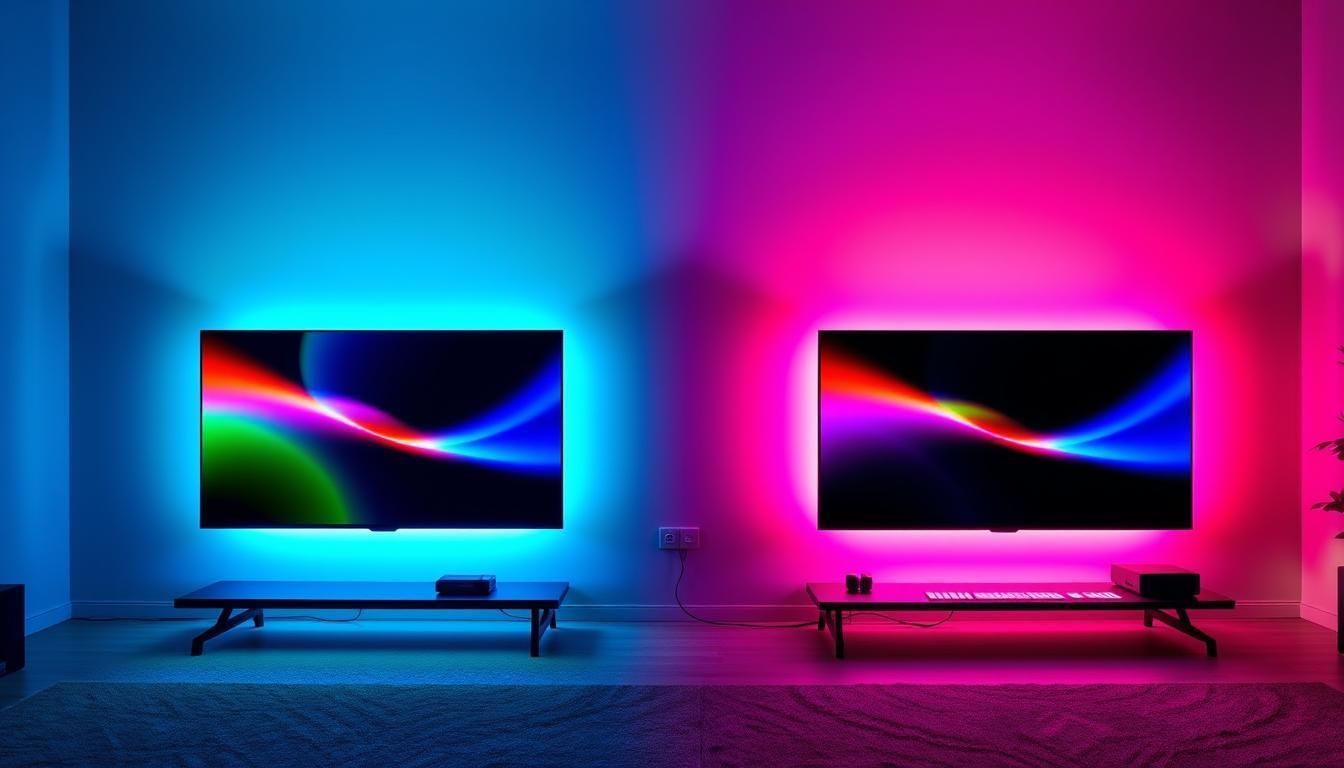
Low-latency sync keeps fast scenes immersive without turning the desk into a noisy RGB toy.
Extend cinematic color beyond the display for a more enveloping watching experience.
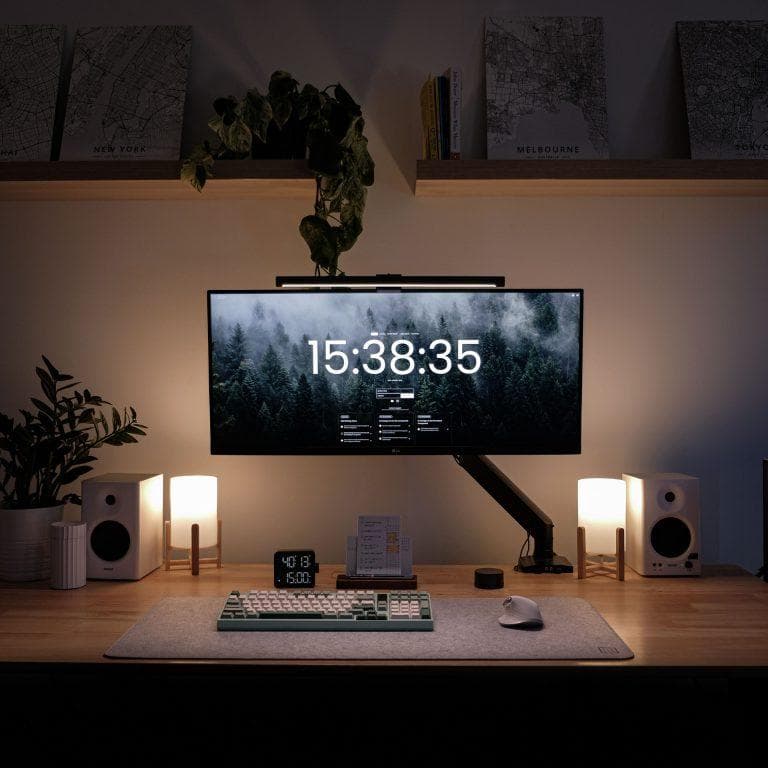
Create calmer lighting around the display to reduce visual fatigue in dark rooms and evening work sessions.
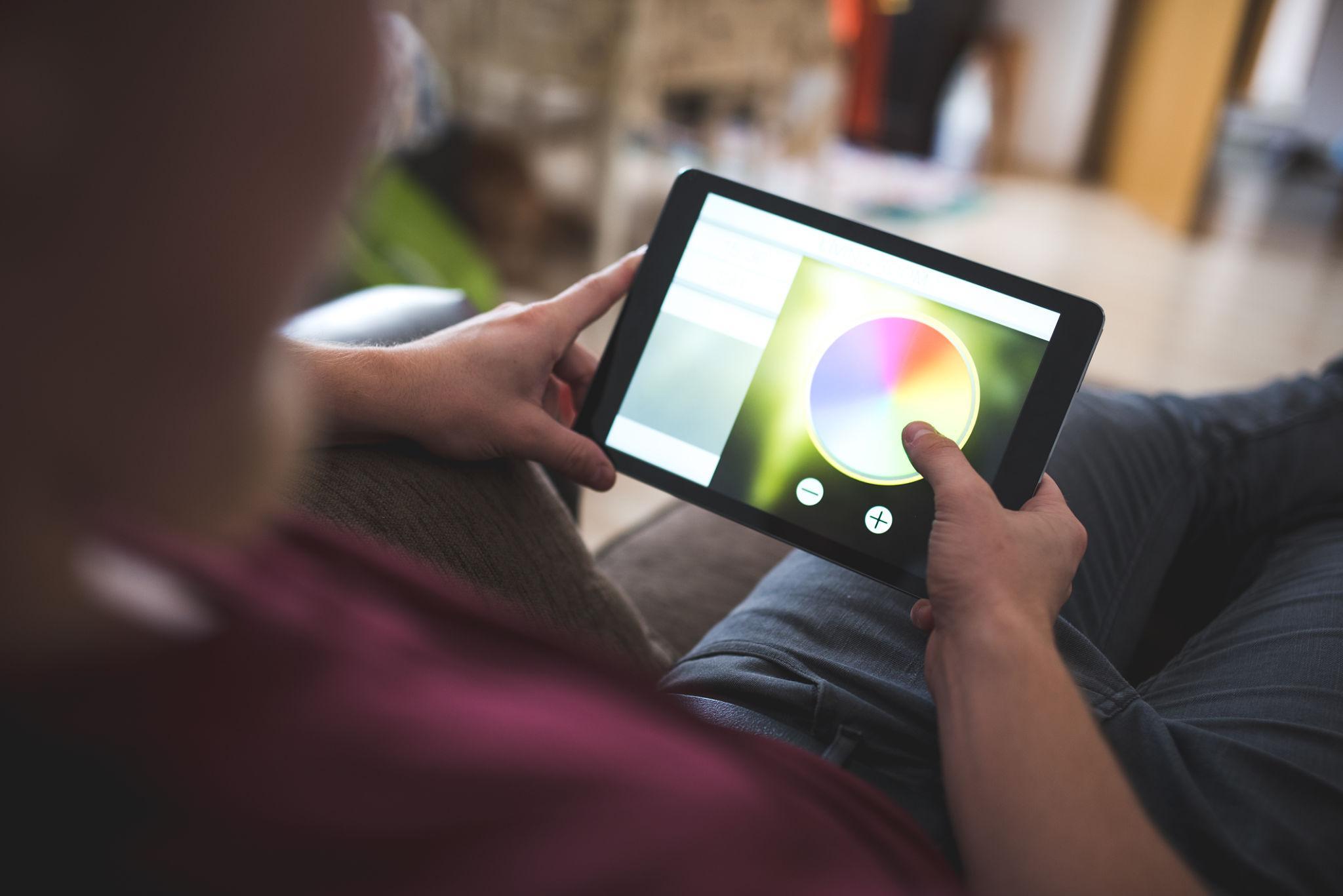
Combine monitor backlight, desk layout, and room ambiance into a more cohesive desktop environment.
Different software platforms optimize for different goals. The homepage should educate first, then route users into a deeper comparison page.
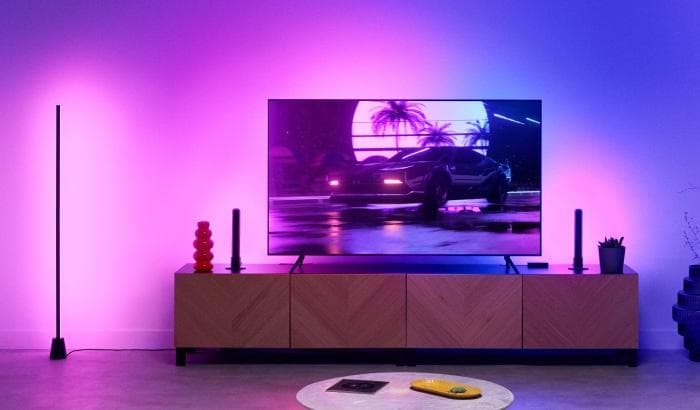
Professional ambient light system
Users who want true monitor ambient light and room-scale immersion.
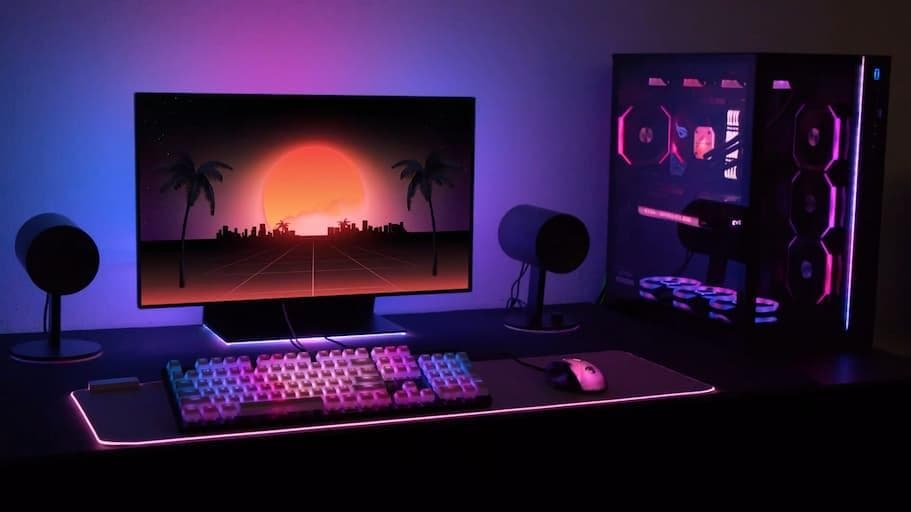
RGB effects platform
Users who prioritize flashy effects and deeper game-linked RGB workflows.
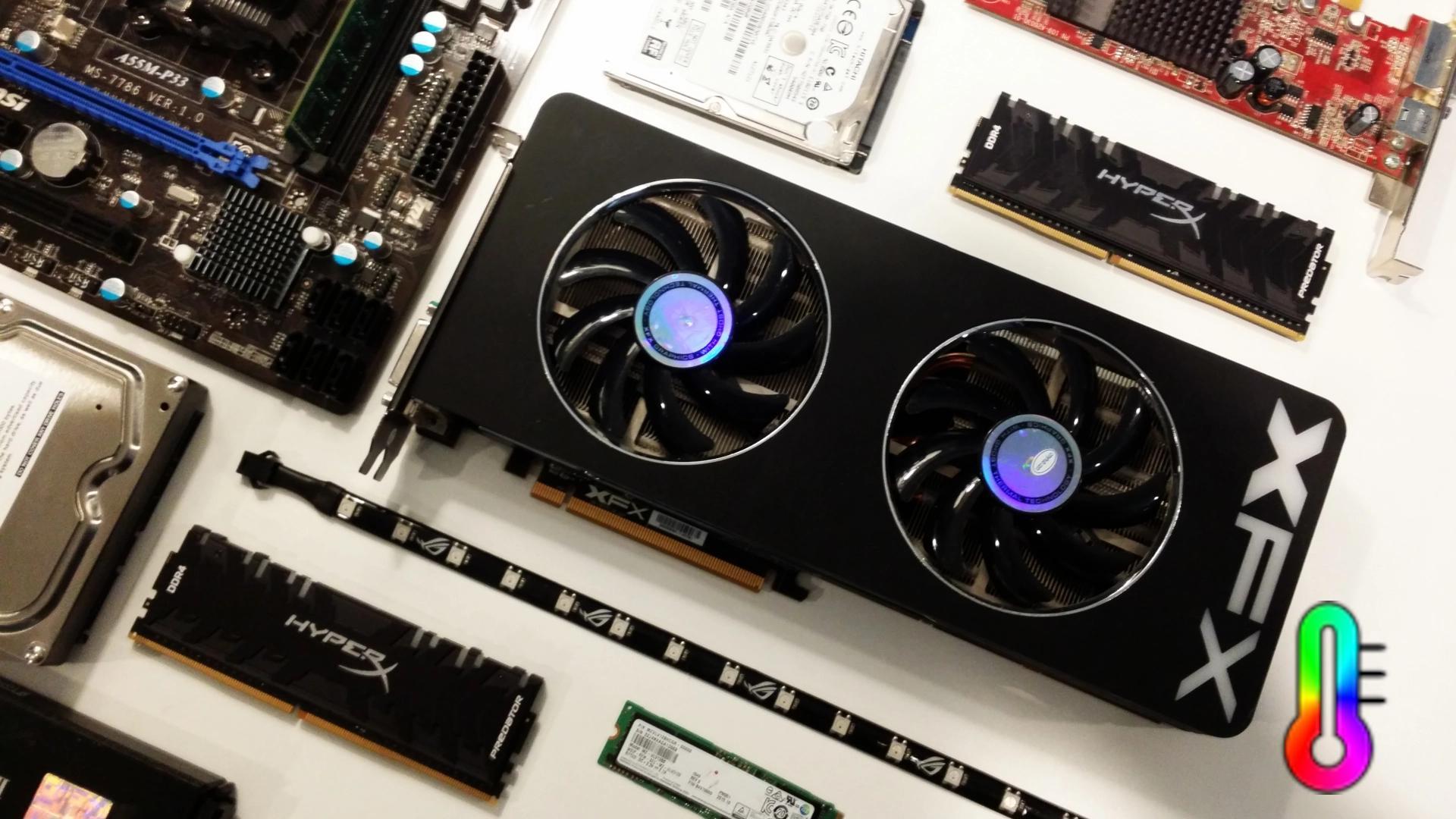
Open-source control utility
DIY users who want basic device control and prefer open tooling.
Skydimo is the ambient-light-first path, SignalRGB is the effects-first path, and OpenRGB is the control-first path.
Skydimo
Users who want true monitor ambient light and room-scale immersion.
SignalRGB
Users who prioritize flashy effects and deeper game-linked RGB workflows.
OpenRGB
DIY users who want basic device control and prefer open tooling.
Start with the comparison page, then move into setup guides and tooling when you are ready to refine your desk.